3D Printing in Construction and Prototyping
How additive manufacturing is applied across building components, industrial prototyping, and small-scale production workshops throughout Canada.

Featured Articles
Additive Manufacturing in Practice

How 3D-Printed Concrete Is Being Tested in Canadian Building Projects
Concrete extrusion systems are entering early-stage trials in Canadian academic and commercial settings. Here is what the technology involves and where it stands.

FDM and SLA Techniques in Industrial Prototyping: What Canadian Manufacturers Are Using
Fused deposition modelling and resin-based printing each occupy a distinct role in Canadian manufacturing facilities. A look at the materials, tolerances, and typical workflows.

Small-Scale 3D Printing Workshops Across Canada: From Maker Spaces to Production Floors
From Halifax to Vancouver, community workshop spaces and small production operations are integrating desktop and professional-grade printers into their day-to-day output.
Context
Where Additive Manufacturing Stands in Canada
Primary Application
Prototyping
Most Canadian facilities use 3D printing for design validation and functional prototypes before committing to traditional tooling.
Growing Sector
Construction
Concrete extrusion trials are underway at several Canadian universities and early commercial projects are exploring load-bearing applications.
Common Materials
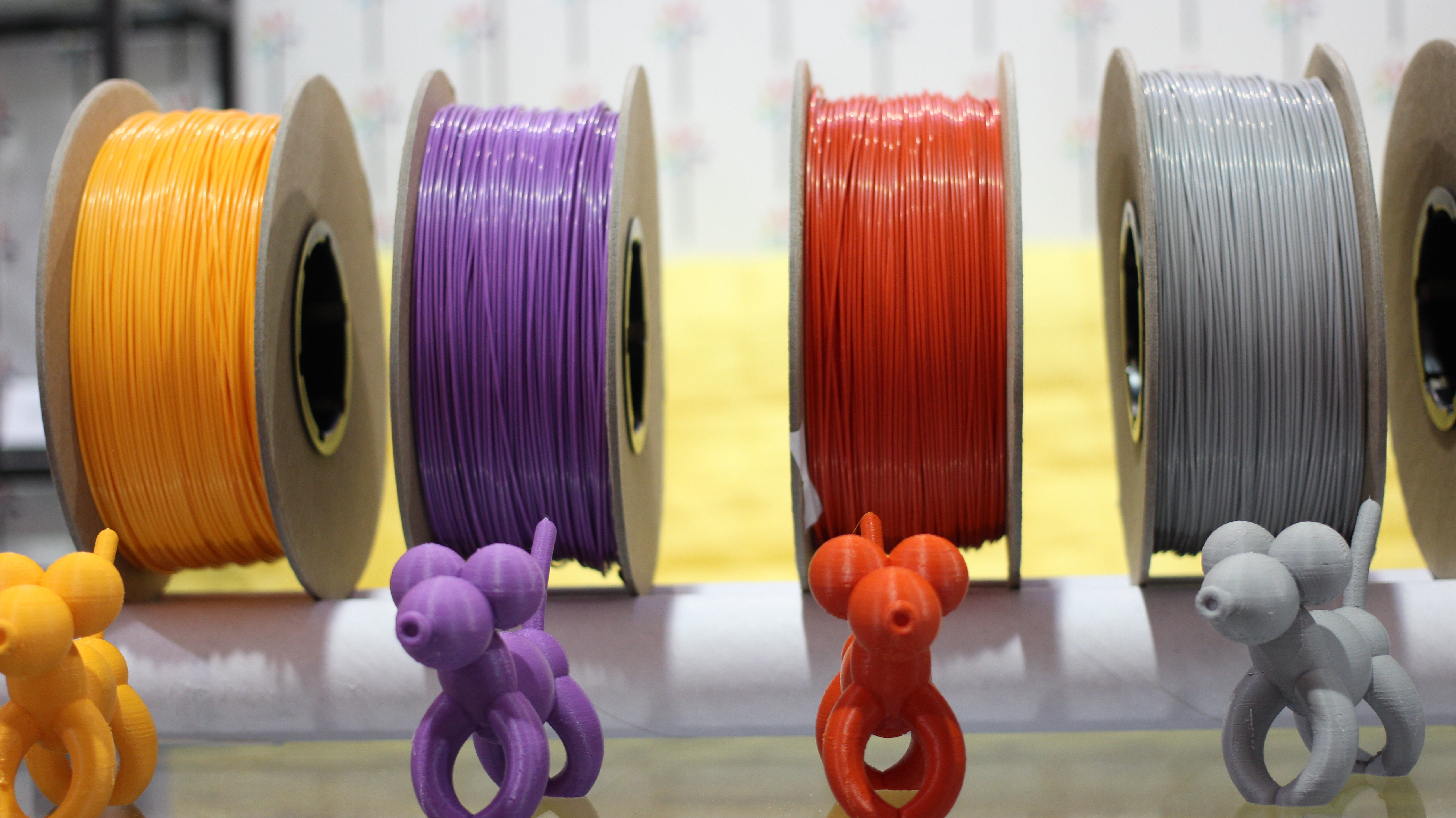
PLA, ABS, Resin
Polylactic acid and ABS remain the most widely used materials in Canadian prototyping shops, with photopolymer resins growing for detail work.
About This Site
Focused on Canada's Additive Manufacturing Landscape
Vornexor documents how 3D printing is being adopted across Canadian industries. The coverage spans architectural applications in the construction sector, functional part production in manufacturing, and the maker-space ecosystem that has grown across major Canadian cities.
Content draws on publicly available information from Canadian universities, professional associations, and industry reporting. Nothing here is fabricated or based on anonymous sources. Where specific numbers are uncertain, the text says so plainly.
The site is updated as significant developments occur. Articles follow a newspaper editorial standard: factual, specific, and structured to be readable without prior technical knowledge.